

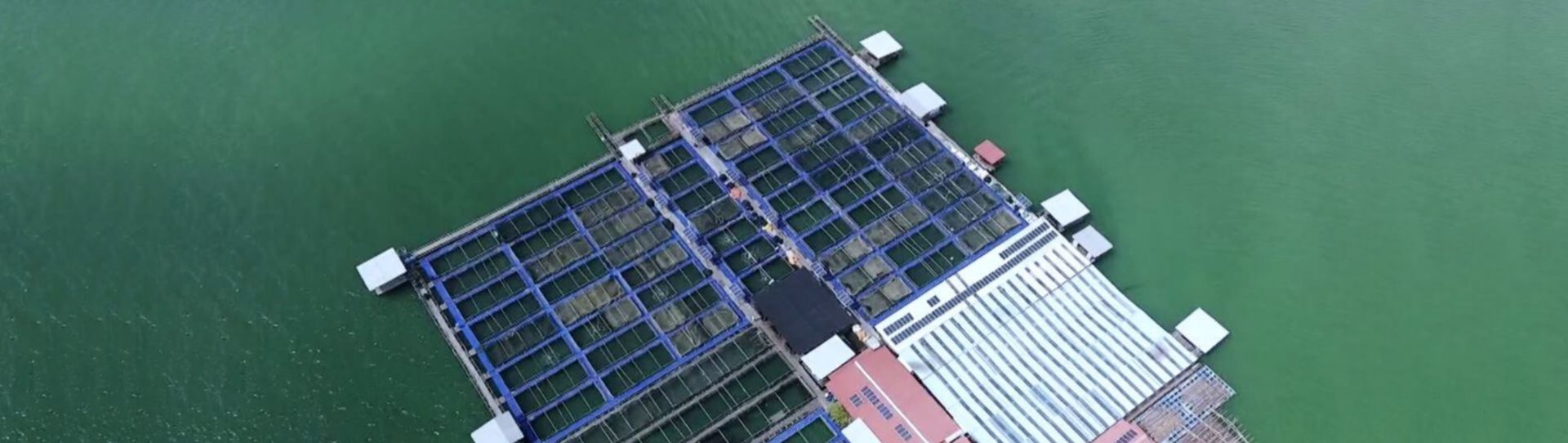

Singapore’s Push for Local Farming: Why Technology Will Shape the Future of Aquaculture
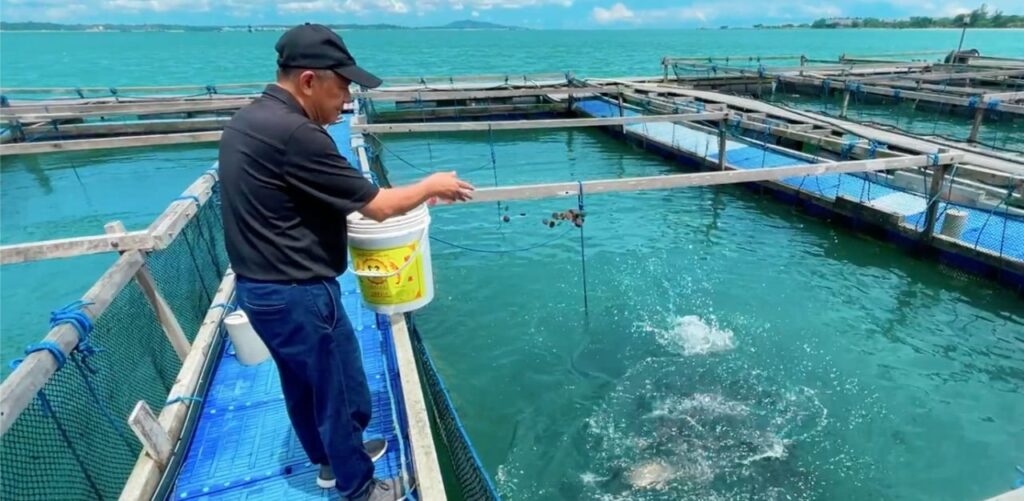
Singapore has recently announced plans to invest S$70 million over the next five years to support local farms in improving productivity and resilience through the Agri-Food Cluster Transformation (ACT) Fund.
The initiative aims to help farms adopt advanced technologies, improve operational efficiency, and strengthen Singapore’s food security. The announcement highlights the growing importance of local food production as global supply chains continue to face disruption.
According to the Singapore Food Agency, Singapore currently imports more than 90% of its food supply, making local production an important pillar of national food resilience.
Source: CNA –
https://www.channelnewsasia.com/singapore/local-farms-output-production-act-fund-5966671
The Challenges of Local Aquaculture
Operating a farm in Singapore presents unique challenges.
Limited land availability, rising operational costs, and environmental variability mean farms must constantly balance productivity with sustainability.
For aquaculture farms in particular, maintaining stable water conditions is critical for healthy fish growth. Factors such as water temperature, oxygen levels, and water quality can directly affect fish survival and yield.
Small fluctuations can sometimes lead to significant impacts on production if not addressed early.
As farms scale operations, relying solely on manual observation becomes increasingly difficult.
Technology Is Becoming Essential for Modern Farms
Technology is increasingly playing a key role in helping farms monitor and manage their environments more effectively.
Sensors and digital monitoring platforms allow farms to track environmental conditions continuously, providing better visibility into farm operations.
Instead of relying only on periodic checks, farms can observe real-time conditions and identify potential issues earlier.
This approach helps farms:
Detect environmental changes sooner
Maintain stable conditions for fish growth
Improve operational efficiency
Reduce risks of unexpected losses
These technologies are becoming part of a broader shift toward data-driven farming practices.

The Rise of Smart Aquaculture
Across the world, aquaculture is evolving with the integration of digital tools and monitoring technologies.
Smart aquaculture systems allow farm operators to collect and analyse environmental data to better understand how conditions affect fish growth and farm performance.
This information can help farms optimise feeding schedules, maintain water quality, and improve production planning.
As more farms adopt these technologies, the aquaculture industry is gradually moving toward more efficient and resilient production systems.
Technology Supporting the Future of Farming
Singapore’s push to strengthen local farming is not just about increasing production — it is also about enabling farms to operate more efficiently and sustainably.
Technology will likely play an important role in this transition, supporting farmers with better visibility, faster response times, and improved operational insights.
As the industry evolves, combining traditional farming knowledge with modern technology will be key to building a stronger and more resilient local food ecosystem.
In recent years, discussions around smart farming have increasingly focused on the role of environmental sensors, data platforms, and automated monitoring systems in helping farms manage conditions more effectively. Continuous monitoring of parameters such as temperature, water quality, and equipment performance allows operators to identify changes early and maintain stable environments for livestock.
This growing intersection between agriculture and technology is explored further in "How Technology Is Transforming Aquaculture and Agriculture in Singapore", which discusses how monitoring technologies are increasingly being integrated into modern farming operations.
